All Categories
Featured
Management in Technology & Development" offers a blueprint for fundamental, high-priority actions that will enhance U.S. innovation leadership."To remain the global leader in innovation, the United States must continue to cultivate an environment where strong ideas can thrive,". "We appreciate the Trump Administration's acknowledgment that ingenious innovations, consisting of AI, are important to preserving U.S.
competitiveness in emerging innovations. Business Roundtable urges Congress and the Administration to construct on our existing strengths and champ pro-growth policies that underpin a financial ecosystem that supports and rewards innovation."Specifically, Company Roundtable advises policymakers to advance a number of essential priorities, including: Enhancing federal R&D abilities; Assisting in increased personal sector R&D; Making strategic financial investments to secure supply chains crucial for development; Upgrading and broadening needed innovation-related infrastructure; Developing clear and consistent frameworks for innovation advancement and use; Developing and advocating for risk-based technology standards that are lined up with U.S.
Research and advancement (R&D) companies are engines of change, but they are still susceptible to interruption. Tightening up budgets and fast-moving need signals are complicating the work of R&D organizations throughout federal government and personal market. Toffler Associates' experience as strategic consultant to significant laboratories, tech accelerators, and other sites of R&D has yielded insights into how these organizations can successfully specify their role, engage their customers, and provide on their objective.
Customer innovation business such as Meta and Alphabet, for example, spent the past year cutting speculative bets on the development of brand-new innovations in favor of shoring up balance sheets and delivering revenues. On the federal government side, the Department of Defense (DoD) asked for 3.4% less financing for science and technology activities in FY2024.
Steps for Construct Robust R&D Units
Toffler Associates observes 2 difficulties in our customers' R&D organizations: Demonstrating and interacting worth; and Developing long-lasting plans that are durable to surprise. Successful R&D companies establish techniques to interact the effect of their work, tighten up the scope of their mission, and get ready for a range of possible future scenarios.
All R&D has the objective of delivering worth to downstream stakeholders: those who will be accountable for building, utilizing, or offering the product of the R&D organization's work. The R&D company can maximize their impact by thoroughly mapping that group of stakeholders, understanding their requirements, and aligning R&D efforts to produce items most likely to be effectively transitioned by clients.
Range in speculative financial investment can help hedge versus technological surprise, and the science and engineering labor force is finest placed to assess the likely return on different research study courses. It does mean involving downstream stakeholders industrial engineers, sales and marketing, warfighters earlier in the advancement procedure. By soliciting and acting on early feedback on how a product could be made, sold, and utilized, R&D teams can make sure that their items resolve problems and construct relationships of trust.
Smart Systems for Modern Tech Projects
Particularly in government, lots of R&D companies are separated from their customers by geography, bureaucracy, and culture. To develop this kind of meaningful relationship, R&D companies need to assemble stakeholder groups that may not comprehend each other's rewards and restraints. In large companies like the Department of Defense, R&D groups and their clients might have a difficult time finding each other in the first location.
The more mystical the problem set or the solution area, the more difficult the difficulty. Soldiers, for instance, can have a hard time to explain to scientists the truth of the battlefield environment, and scientists can have a hard time in turn to discuss the capabilities and limitations of expert system or quantum picking up. The capability to listen, observe, and intuit the problems faced by clients is vital for R&D organizations to cultivate.
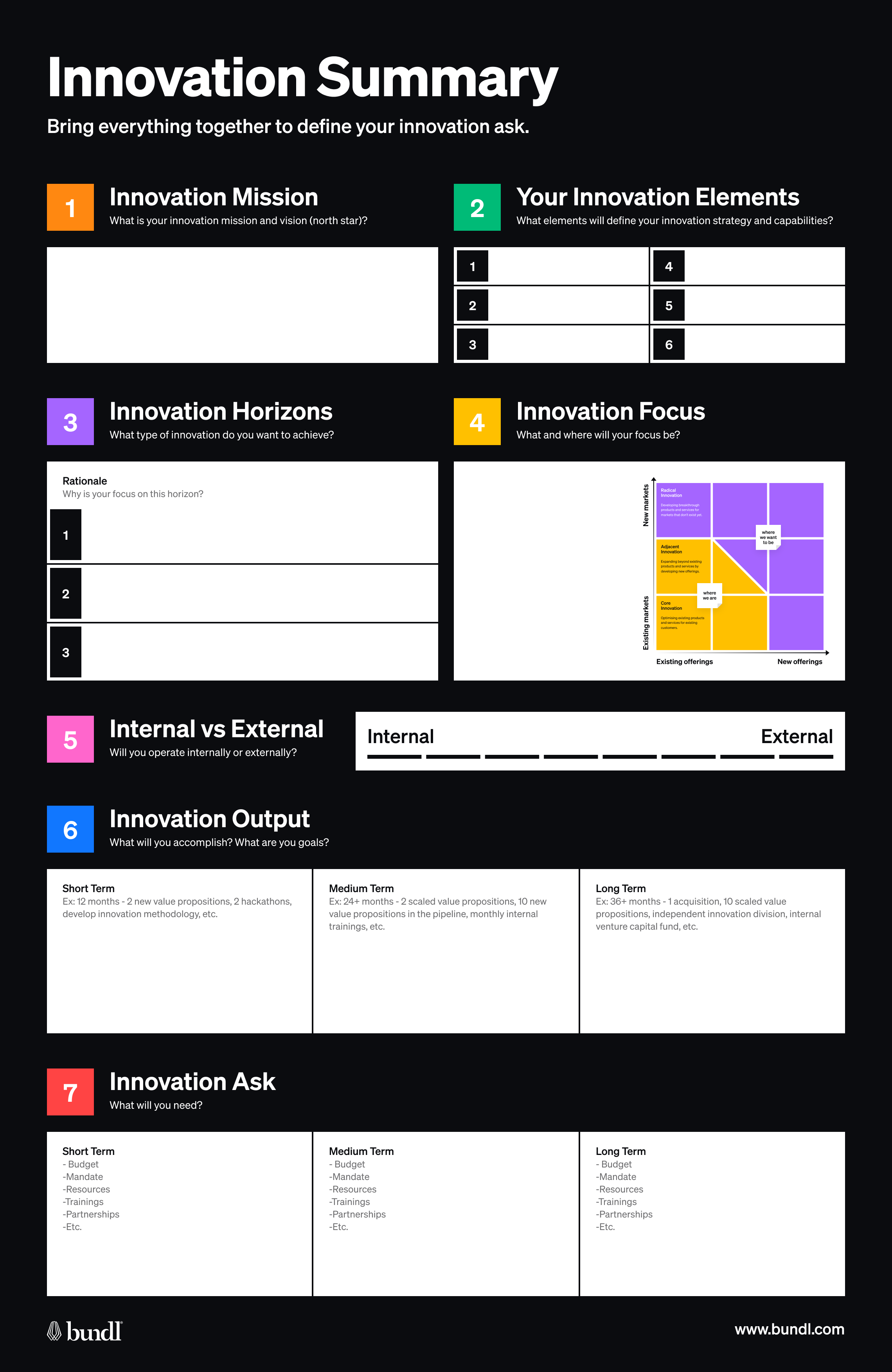
There are tools that can assist: R&D companies can develop a to plainly define all key stakeholders, including customers, governing authorities, and sources of skill and resources. An builds on the stakeholder map with a clear prioritization of stakeholder requirements and a method to involving them throughout the R&D process to validate solutions.
A can assist R&D organizations be deliberate about how they will engage their stakeholders. These activities might even assist the R&D organization discover that its lines of effort already line up to stakeholder needs except that without interaction, the worth is not comprehended by either party.
In theory, by providing value to downstream stakeholders, the R&D organization can satisfy the interests of upstream stakeholders too, consisting of executives, oversight authorities, and investors. Truth is a bit more complex. In federal government, for example, the R&D company might be bound by law and policy to management and oversight across agencies and branches of government, and these stakeholders might have different definitions of success.

Latest Posts
Managing Hybrid Infrastructure in Modern R&D
Utilizing Cloud Infrastructure to Drive Sustainable Innovation
How to Architect High-Performance Tech Hubs