All Categories
Featured
Table of Contents
Author: Jessie JacksonJessie Jackson is a Senior Consultant, Practice Lead in OSF Digitals Strategy group. She has 20+ years of experience as an omnichannel digital commerce business leader in the D2C market. Jessie assists OSF customers with tactical preparation, company leadership and producing extraordinary client experiences.
It involves automation, information, AI, and cloud to reshape organization operations. From logistics automation to virtual health care, change can drive both innovation and efficiency.
Small Steps to Large-Scale Sustainable Infrastructure ChangesIn this article, we'll explore how services are embracing digital change, where efforts are focused, and why it remains a leading priority for companies looking for to remain competitive in a significantly hectic, tech-driven world. Digital improvement includes utilizing the current digital innovations to basically reshape how a business runs. While digital change became a mainstream company important in the 2010s, the roots go even more back, beginning with digitization in the 1980s and '90s.

Accelerating Tech Research Workflows for Growth
The term "digital improvement" itself started gaining traction around 2011, when it was used to describe the more comprehensive organizational effect of technology shifts. But true digital transformation goes beyond IT upgrades or updating existing workflows. It utilizes cutting-edge innovations to reimagine those processes completely, unlocking new kinds of value for customers and driving long-term growth.
Let's clarify with an example from customer service: Expect a company moves from phone-based assistance to email or introduces a chatbot for after-hours questions. This new system provides 24/7 personalized service throughout channels like chat, e-mail, and mobile apps.
Digital transformation basically changes the nature of assistance, making it more innovative, individual, and always offered. That's digital improvement: a fundamental shift in how value is delivered through innovation.
The majority of digital transformation efforts focus on these key areas: Automated workflows change manual processes, decreasing mistakes, increasing effectiveness, and enabling staff members to focus on higher-value jobs. Constantly rethinking how worth is provided by simplifying digital journeys, accelerating support, and customizing experiences throughout all channels. Tradition systems often sluggish development.
Real-time data and analytics provide insights into performance and client habits, making it possible for smarter, much faster decisions. Unifying platforms and processes break down departmental silos, enhances cooperation, and gives management a comprehensive view of operations.
Maximizing Corporate R&D Output for Smart Hubs
According to Harvard Company Review, successful digital improvement tends to involve 5 interconnected aspects:: Getting the best leadership, culture, and skill in place.: Gathering clean, premium data across systems.: Turning that information into usable insights through analytics.: Operationalizing insights across workflows, systems, and decisions.: Determining outcomes and refining techniques based upon performance.
Other well-established frameworks, like McKinsey's 7S model or BCG's Digital Acceleration Index, also highlight the importance of lining up technique, structure, and individuals to drive meaningful transformation. The exact framework matters less than making sure all elements of the service are lined up and developing together. The 5 main elements of digital improvement consist of people, information, insights, action and results.
Here are some particular real-world advantages can you anticipate: Leveraging the most recent innovations permits you to reassess your whole service design. Early adoption or pioneering new tools can assist you approach difficulties in special ways, grow market share, and remain ahead while competitors are still capturing up. Digital improvement enables you to boost the customer journey from start to end up.

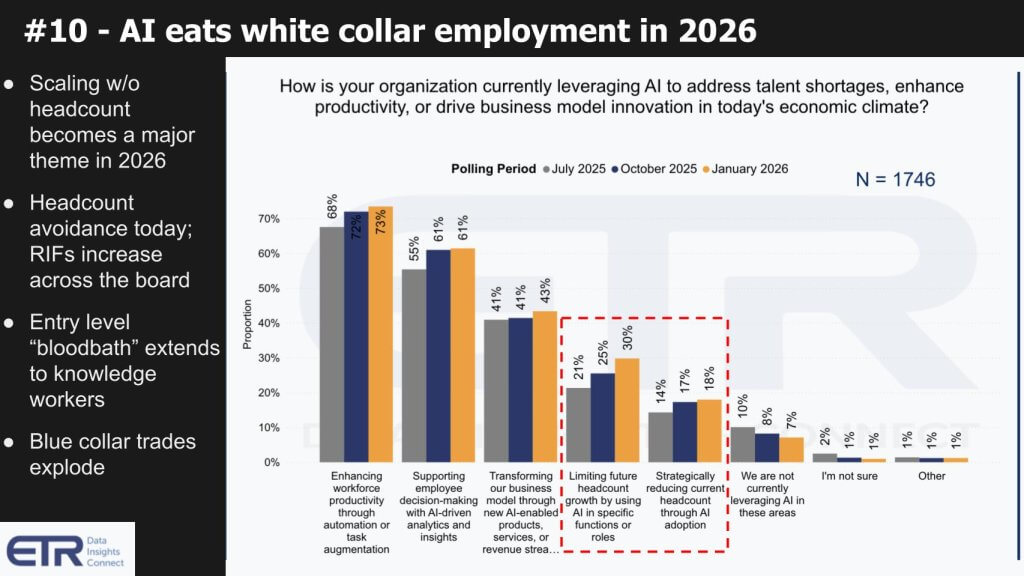
Automating manual tasks simplifies workflows, lowers errors, and frees employees to concentrate on higher-value work. These effectiveness cause cost savings through better resource allowance, less traffic jams, and, in some cases, decreased staffing requirements. Real-time information and incorporated systems provide teams with improved presence, allowing your business to respond and adapt quickly to market modifications, consumer demands, or internal challenges.
The Comprehensive 2026 Digital Transformation Roadmap
Adopting cutting-edge innovation is expensive, especially when establishing brand-new services. A total overhaul of existing processes can develop real unpredictability for employees.

Latest Posts
Managing Hybrid Infrastructure in Modern R&D
Utilizing Cloud Infrastructure to Drive Sustainable Innovation
How to Architect High-Performance Tech Hubs